How to Recover from a Google Algorithm Update

Recovering from a Google algorithm update requires waiting 1-2 weeks for rollout completion, then analyzing Search Console data. Identifying affected pages and reviewing content quality, UX, and technical SEO. Apply data-driven fixes and allow time for recovery before making changes again.
Google algorithm updates are changes made by Google to improve search result quality and relevance. These updates can change how high your website appears in search results and can increase or decrease your traffic and visibility. Therefore, by checking what went wrong and improving your content and website, you can recover. With the right changes and improvements, your website can recover and regain its lost search rankings and even perform better than before.
Table of Contents
What is a Google Algorithm Update?

A Google algorithm update is a change in how Google ranks websites, affecting visibility, search results, and targeting quality, spam, or ranking signals.
1. Changes in Google’s Ranking System
Google algorithm updates are changes that Google makes to its ranking system. These updates change the rules that decide how websites are ranked. Because of this, some pages move higher in search results, while others may drop lower.
2. Affects Website Visibility and Search Rankings
Google updates can change your website’s position in search results, making it appear higher or lower than before. This can lead to more or less traffic and change how visible your website is to users searching online.
3. Can Target Core Quality, Spam, or Specific Ranking Signals
Some updates focus on improving the quality of content in search results. Others are designed to remove spam or low-value websites. Google may also change how it uses ranking signals, such as backlinks, page speed, mobile friendliness, and user experience, to decide website positions.
How to Identify a Google Algorithm Update Impact
When a Google algorithm update happens, it can affect your website’s traffic and rankings. To know if your site is impacted, you need to look for clear warning signs in your performance data and search visibility.
1. Sudden Drop or Rise in Organic Traffic
If your website traffic suddenly goes up or down, it could be due to a Google update. These changes often happen fast and may affect how many people visit your site from search results.
2. Ranking Fluctuations Across Multiple Keywords
If many of your keywords suddenly move up or down together, it may be a sign of a Google update. This usually means Google has changed how it ranks and reviews your website pages.
3. Decrease in Impressions and Clicks in Google Search Console
If you notice fewer impressions or clicks in Google Search Console, it means fewer people are seeing or visiting your website from search results. This often happens after a ranking change caused by an update.
https://developers.google.com/search/docs/appearance/core-updates
4. Noticeable Change Around Known Update Dates
If your website performance changes around the time Google announces an update, it may be affected by it. This is a strong sign that the update affected your site’s rankings and visibility.
What Causes the Google Algorithm Impact
Google updates affect ranking due to poor content, weak SEO, backlinks, or technical issues.
1. Low-Quality or Thin Content
Websites with short, unhelpful, or copied content often get affected by Google updates. Google prefers detailed, useful, and original information that answers user questions clearly.
2. Weak E-E-A-T (Experience, Expertise, Authority, Trust) Signals
If your website does not show strong expertise or trust, it may rank lower. Google looks for content created by knowledgeable and trusted sources.
3. Poor User Experience or Slow Site Performance
If your site loads slowly or is difficult to use, visitors may leave quickly. Google tracks this behavior and sees it as a poor user experience. Because of that, your rankings may drop since Google prefers fast, easy-to-use websites.
4. Spammy or Low-Quality Backlinks
Links from untrusted or spam websites can harm your rankings. Google values high-quality, natural backlinks from relevant and trusted sites.
Technical SEO Issues (Indexing, Crawl Errors, Mobile Issues)
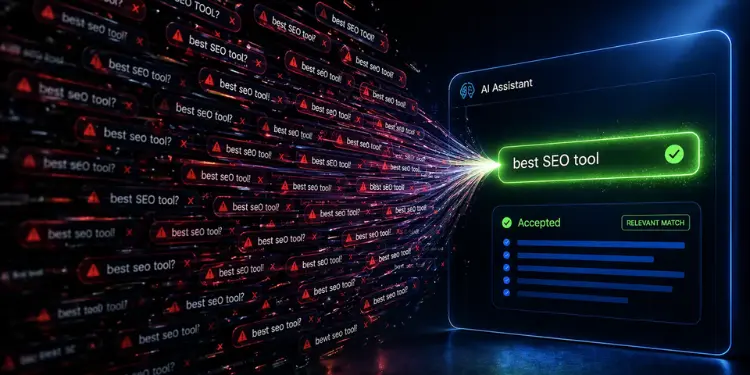
Problems like pages not being indexed, crawl errors, or poor mobile design can stop Google from properly reading your site, which can lower your rankings.
How to Analyze the Damage
After a Google update, it is important to carefully check your website performance to understand what was affected and how much damage was done.
1. Use Google Search Console and Analytics Tools
Start by checking tools like Google Search Console and Google Analytics. They help you see changes in traffic, rankings, and user behavior after an update.
2. Identify Pages with the Biggest Traffic Loss
Find which pages lost the most visitors. These pages are usually most affected and should be your first focus for fixing and improvement.
3. Compare Performance Before and After the Update
Compare your website data before and after the Google update. This helps you clearly understand what changed in traffic, ranking, and clicks, and shows which pages were most affected.
4. Segment Affected Keywords and Landing Pages
Break down the data to find which keywords and landing pages were hit. This helps you understand exactly where the ranking drops happened.
How to Fix the Issues
After identifying impacted areas, fix issues by improving content, removing weak pages, resolving technical SEO problems, strengthening structure, and building quality backlinks.
1. Improve and Update Content for Relevance and Depth
Update your content with fresh information, add useful details, and make sure it answers what people are searching for in a clear and helpful way.
2. Remove or Enhance Low-Performing Pages
Find pages that get little traffic and either improve them with better content or remove them to keep your website strongly focused.
3. Fix Technical SEO Problems (Speed, Mobile, Indexing)
Make your website load faster, work well on mobile devices, and ensure search engines can easily find and show your pages in search results.
4. Strengthen Internal Linking and Site Structure
Link your pages together in a clear way so users and search engines can easily navigate your site and find important content.
5. Build High-Quality, Relevant Backlinks
Get links from trusted and related websites. This shows search engines your site is trusted and helps improve your rankings, visibility, and overall credibility online.
How to Recover from the Update
Recovering from a Google update takes time. Wait for it to settle, make small date-based improvements, focus on quality, and keep checking your progress regularly.
1. Wait for the Update Rollout to Fully Settle (1-2 Weeks)
Give it some time before making changes, as rankings can fluctuate during updates. Waiting helps you see the real impact and avoid making unnecessary wrong decisions.
2. Implement Data-Driven Improvements Gradually
Use data from tools like Google Analytics and Search Console to guide your changes. Make improvements step by step instead of changing everything at once.
3. Focus on Long-Term Quality Rather than Quick Fixes
Avoid shortcuts or tricks. Focus on creating helpful, high-quality content and a good user experience that will perform well over time.
4. Monitor Recovery Progress Over Time
Keep tracking your traffic, rankings, and performance regularly. This helps you understand what’s wrong and make better decisions to continue improving.
How to Prevent Future Impact
To avoid future Google update problems, keep your content updated, maintain good technical SEO, focus on what users need, and build strong, trusted backlinks over time.
1. Regularly Update and Optimize Content
Keep your content updated by refreshing old information and adding new, useful details regularly.
2. Maintain Strong Technical SEO Health
Make sure your site loads fast, works well on mobile, and has no technical errors so search engines can easily crawl and rank it.
3. Focus on User Intent and Content Quality
Create content that clearly answers what users want. Keep it simple, helpful, and valuable so visitors stay longer and trust your site.
4. Build Sustainable, High-Authority Backlinks
Earn links from trusted, relevant websites over time. This builds your site’s authority naturally and helps improve rankings without risking penalties.
Conclusion
Recovering from a Google algorithm update takes patience, careful analysis, and consistent improvement. Focus on fixing content quality, technical issues, and user experience rather than looking for quick wins. Therefore, with the right strategy, rankings can gradually return and even improve. Experts like Web Glaze Services can assist you in fixing these issues.
We are a digital marketing firm that helps businesses improve their online presence. We work on improving website rankings in search engines like Google through SEO strategies such as content optimization, technical SEO fixes, keyword research, and link building. Moreover, we also help with website design, branding, and online growth strategies. Therefore, you can reach out to us to get expert support in recovering your rankings and growing your business online.
Also Read – Google Discover Optimization: How to Get Featured


