
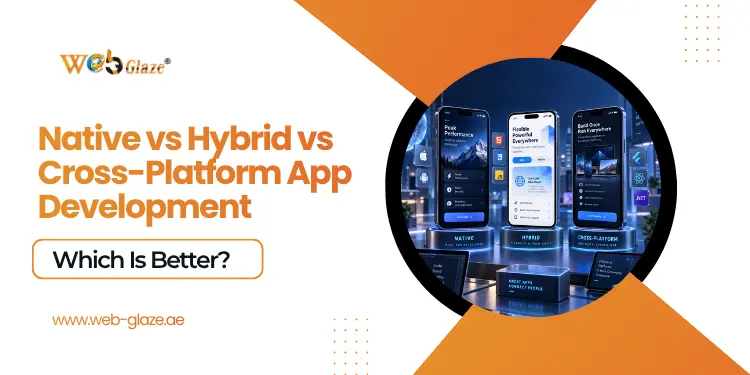
Native vs. Hybrid vs. Cross-Platform App Development: Which Is Better?

Native, hybrid, and cross-platform app development are three ways to create mobile apps. Native apps offer high performance, hybrid apps are often more affordable, and cross-platform apps work on different devices using shared code. The right choice depends on a business’s needs and budget.
Mobile apps have made it easier for businesses to connect with customers and share their services. However, before building an app, businesses need to decide how they want to create it. There are three common ways to do this: native, hybrid, and cross-platform app development. Each method works differently and offers its own benefits, costs, and features. Since each approach has different ways of building an app, businesses should understand these differences before making a decision.
- What Is Native App Development?
- Benefits of Native App Development
- Limitations of Native App Development
- What Is Hybrid App Development?
- Benefits of Hybrid App Development
- Limitations of Hybrid App Development
- What Is Cross-Platform App Development?
- Benefits of Cross-Platform App Development
- Limitations of Cross-Platform App Development
- Native vs Hybrid vs Cross-Platform App Development: Key Differences
- Factors to Consider Before Choosing an App Development Approach
- Which App Development Approach Is Best for Your Business?
- Conclusion
- Frequently Asked Questions: FAQs
What Is Native App Development?
Native app development means creating an app for one type of mobile system, either Android or iOS. For example, an app made for an iPhone is an iOS app, while an app made for an Android phone is an Android app. Developers use different coding languages to build these apps, such as Swift for iOS and Kotlin or Java for Android.
Native apps can use the phone’s built-in features, such as the camera, GPS, microphone, and fingerprint scanner. This helps the app work smoothly and makes it easier to use these phone features.
Benefits of Native App Development
Native apps offer several benefits because they are made for a specific mobile system. Here are some of the main benefits.
- Better Speed and Performance: Native apps usually work faster and open quickly. They also run smoothly, even when they have many features.
- Smooth User Experience: These apps follow the design of the phone’s system. Their buttons, menus, and other features feel familiar, so users find them easy to use.
- Full Access to Phone Features: Native apps can directly use phone features like the camera, GPS, microphone, and fingerprint scanner. This helps developers add useful features to the app.
- Better Offline Access: Some native apps save information on the phone. This allows users to view saved content and use certain features without an internet connection.
- Better Security: Native apps use the security features of Android and iOS. This helps protect app data and keep user information safe.
- Easy Access to New Features: When Android or iOS adds new features, developers can use them in native apps. This helps keep the app updated.
- More Control Over App Design: Developers can decide how the app looks and works. They can also add features according to the needs of the business and its users.
Limitations of Native App Development
Native app development also has some limitations. Here are a few things businesses should know before choosing this method.
- Higher Development Cost: Building a native app usually costs more because developers need to create a separate app for each mobile system.
- Separate Apps for Android and iOS: Businesses need two different apps if they want to reach both Android and iPhone users. This also means more work for developers.
- More Time Needed: Building two separate apps takes more time. Developers also need to update and maintain each app separately, which adds more work.
What Is Hybrid App Development?
Hybrid app development means making one app that works on both Android and iPhone. Developers write the code only once instead of making two different apps. They use simple computer languages like HTML, CSS, and JavaScript to build it. This saves developers from doing the same work again.
The app works like a normal mobile app, so people can download it from the Google Play Store or Apple App Store. It can also use some features of the phone, like the camera, GPS, and contacts.
Benefits of Hybrid App Development
Hybrid app development offers many benefits, especially for businesses that want to build an app for both Android and iPhone. Here are some of its main benefits.
- One App for Android and iOS: Developers write the code only once, and the same code is used for both Android and iPhone apps. This saves time and avoids extra work.
- Lower Development Cost: Businesses do not need to hire separate teams to build two different apps. This helps them save money during app development.
- Faster App Development: Since developers work on one set of code, they can build and launch the app faster. This is helpful for businesses that want to start offering their services quickly.
- Easy Updates and Maintenance: Developers can make changes to one set of code instead of updating two separate apps. This makes it easier to fix problems and add new features.
- Access to Phone Features: Hybrid apps can use phone features like the camera, GPS, contacts, and notifications. This helps developers add useful features to the app.
- Reach More Users: Businesses can make their apps available to both Android and iPhone users. This helps them reach more people without building two separate apps.
Also Read: Custom Mobile App Development for Growing Businesses
Limitations of Hybrid App Development
Hybrid app development also has a few limitations. Here are some things businesses should know before choosing this method:
- Slower Performance for Complex Apps: Hybrid apps may work slower when they have too many features, heavy graphics, or complex tasks. They may not run as smoothly as native apps.
- Limited Access to Some Phone Features: Hybrid apps can use features like the camera and GPS, but some phone features may need extra tools or support to work properly.
- Less Smooth User Experience: Hybrid apps may not feel as smooth as native apps. Sometimes, buttons, animations, or page changes may take more time to respond.
What Is Cross-Platform App Development?
Cross-platform app development means creating an app that works on different systems, such as Android, iPhone, Windows computers, and Mac computers. Developers do not need to build a separate app for every system. They write the main code once and use it to make the app work on different devices. This saves time and effort because they do not have to start from the beginning for every system.
Developers use tools like Flutter and React Native to build these apps. This makes it easier for businesses to reach both Android and iPhone users with one app.
Benefits of Cross-Platform App Development
Cross-platform app development offers many benefits for businesses that want to build apps for different devices. Here are some of its main benefits.
- Lower Development Cost: Businesses do not need to build separate apps for Android and iPhone. Developers use the same code for both, which helps save money and reduces extra work.
- Faster App Development: Developers write the code once and use it for different platforms. This helps them build and launch the app faster without doing the same work again and again.
- Reach More Users: Cross- platform apps work on different devices, such as Android phones, iPhones, tablets, and computers. This helps businesses reach more people and offer their services to a wider audience.
- Easy Updates and Maintenance: Developers can fix problems and add new features in one place. These changes can then be shared across different versions of the app, making it easier to keep everything updated.
- Same Look and Feel on Different Devices: Cross-platform apps can have a similar design on different devices. This means users can find the same buttons, features, and options, making the app easier to use.
Limitations of Cross-Platform App Development
Cross-platform app development also has a few limitations. Here are some things businesses should know before choosing this method.
- Some Features Need Extra Work: Some phone features may not work directly with cross-platform tools. Developers may need to write extra code to make these features work properly.
- Performance May Vary: Some cross-platform apps may run slower than native apps, especially when they have many features or heavy graphics. However, this depends on how the app is built.
- Extra Work for Different Designs: Android and iPhone have some differences in how apps look and work. Developers may need to make extra changes so the app looks right and works well on both phones.
Native vs Hybrid vs Cross-Platform App Development: Key Differences
Native, hybrid, and cross-platform apps are built in different ways. They also differ in terms of cost, speed, development time, and performance. The table below shows the main differences to help you understand each approach better.
| Comparison Factors | Native Apps | Hybrid Apps | Cross-Platform Apps |
| Development | Separate app for Android and iOS | One app using web technologies | One shared codebase for different platforms |
| Performance | Very fast and smooth | Suitable for simple apps | Good performance for most apps |
| Development Cost | Usually high | Usually low | Usually moderate |
| Development Time | Takes more time | Takes less time | Takes less time than separate native apps |
| User Experience | Smooth and easy to use | May feel less smooth | Similar experience on different devices |
| Device Access | Full access to phone features | Access to basic phone features | Access through tools and extra support |
| Maintenance | Android and iOS apps need separate updates | One shared codebase is easier to update | One shared codebase is easier to update |
| Best For | Games and apps with complex features | Simple apps and basic business needs | Business, shopping, and service apps |
Factors to Consider Before Choosing an App Development Approach
Before building an app, businesses should think about a few things to choose the right development method.
- Business Budget: Decide how much money you can spend on building the app. Also, keep some money for future updates.
- App Features: Think about what you want your app to do. Make a list of the features you need before choosing a development method.
- Target Audience: Know who will use your app and which phones they use. This will help you decide whether to build an app for Android, iPhone, or both.
- Development Time: Think about how quickly you want your app to be ready. Some methods take more time, while others help you build an app faster.
- Future Growth: Choose a method that makes it easy to add new features when your business grows. This will help your app stay useful in the future.
- App Maintenance: Apps need regular updates to fix problems and add new features. So, think about how much time and money you will need to keep your app working well.
Which App Development Approach Is Best for Your Business?
Every business has different needs, so the right app development method depends on the type of app you want to build and the features you need.
- Choose Native App Development: If you want to build an app with advanced features, such as online games, video editing, or tools that need to work very fast. It allows developers to decide how the app looks and works.
- Choose Hybrid App Development: If you need a simple app to share information, show services, or connect with customers. It is a useful option when you have a small budget and want to launch the app quickly.
- Choose Cross-Platform App Development: If you want to offer the same services to both Android and iPhone users. For example, an online shopping app can let customers browse products and place orders on both types of phones.
Also Read: Mobile App Development: A Complete Guide 2026
Conclusion
The right app development method depends on your business needs, budget, and app features. Native apps are good for apps that need to work fast and have advanced features. Hybrid apps are suitable for simple apps that cost less to build. Cross-platform apps are useful when you want your app to work on both Android and iPhone.
If you are planning to build a mobile app, Web Glaze Services can help turn your idea into a working app. Our team develops apps for Android, iOS, and Windows. Based in the UAE, we work with businesses to understand their needs, research their ideas, plan the app, and check whether those ideas are practical. We also focus on timely delivery, clear communication, and affordable development options with no hidden costs. The project time and cost depend on the features and work required. Contact us to discuss your app idea and get a solution that fits your business and budget.
Frequently Asked Questions: FAQs
What is the difference between native and cross-platform app development?
Native apps are made separately for Android and iOS, while cross-platform apps use the same main code to work on both.
Which app development method costs less?
Hybrid and cross-platform app development usually costs less because developers do not need to build two separate apps.
Can one app work on both Android and iPhone?
Yes, hybrid and cross-platform development allow developers to build apps that work on both Android and iPhone.
Which app development method is best for a small business?
Hybrid or cross-platform development is often suitable for small businesses because it saves time and money.
How long does it take to develop a mobile app?
The time depends on the app’s features, design, and work required. A simple app usually takes less time than an app with many advanced features.


